
If you are searching for the different types of real estate agents, you have likely noticed terms like broker, Realtor, and listing agent used interchangeably. They represent very different roles, and understanding those differences is critical whether you are buying, selling, or considering a career in real estate. By the end of this guide, you will know exactly which type of agent fits your specific situation, how each is compensated in 2026, and which specializations exist for unique needs like military relocation, senior transitions, or luxury properties. We will cover the main agent types plus the five residential representation roles, with current compensation data and legal context.
Key Takeaways
Understanding the types of real estate agents helps you hire the right professional for your specific transaction. The 2024 NAR settlement fundamentally changed buyer’s agent compensation, so always discuss fees upfront before viewing properties. Specialized certifications like MRP, SRES, SFR, and CLHMS signal expertise for unique client needs. Dual agency is prohibited in eight states as of 2026, but designated agency offers a legal alternative that preserves full fiduciary duty for each party. Whether you are buying, selling, or investing, matching the agent type to your situation saves time, money, and stress.
Real Estate Agent vs. Broker vs. Realtor: What’s the Difference?
A real estate agent is a state-licensed professional who has completed the required education and passed a licensing exam. Every agent in the U.S. must work under a supervising broker by hanging their license with a brokerage. They cannot operate independently.
A real estate broker holds a higher-level license requiring additional education and a separate exam. This license lets them work independently, own a brokerage, and supervise other agents. Brokers handle day-to-day business operations like payroll, compliance, and conflict resolution. They are held to a higher legal standard and typically manage the most complex transaction paperwork.
A Realtor is a licensed agent who is a member of the National Association of Realtors. It is a trademarked membership designation, not a separate license level. All Realtors are agents, but not all agents are Realtors. Membership requires joining a local NAR association and paying annual dues in 2026. Realtors pledge to uphold the NAR Code of Ethics and Standards of Practice, which requires putting the client’s needs first. Approximately 3 million people hold real estate licenses in the U.S., but only a portion carry the Realtor designation.
The 10 Specialized Types of Real Estate Agents
1. Listing Agent (Seller’s Agent)
A listing agent represents the property seller and owes a fiduciary duty to protect the seller’s interests above their own. They enter into exclusive listing agreements that prevent the seller from working with another agent or selling the property independently during the contract period.
These agents handle pricing strategy through a comparative market analysis, arrange professional photography and staging, market the property, host open houses, and negotiate offers on the seller’s behalf. They cannot disclose confidential information, such as the seller’s willingness to accept a lower price. Commission is typically a percentage of the sale price, often up to 6 percent, though the rate is fully negotiable and documented in the listing agreement.
2. Buyer’s Agent
A buyer’s agent works exclusively for the home buyer and owes full fiduciary duty to protect that buyer’s interests from search through closing. Most people underestimate the workload. The average buyer thinks an agent spends less than 15 hours on their purchase. In reality, the average agent spends about 87 hours per transaction, handling property searches, showings, offer writing, negotiations, inspections, appraisal issues, and closing coordination.
A critical update for 2026: following the NAR settlement effective August 17, 2024, cooperative compensation offers can no longer appear on MLS platforms. Buyer’s agents now negotiate compensation directly with sellers outside the MLS or charge their clients an hourly rate or flat fee. Buyer representation agreements are required before an agent can show properties, making it essential for buyers to understand what they are paying for and why.
3. Dual Agent
A dual agent represents both the buyer and the seller in the same transaction. This creates an inherent conflict of interest, so the agent’s fiduciary duties are limited. A dual agent cannot advocate for one party’s pricing position over the other and cannot share confidential information from either side.
Dual agency is prohibited in several states as of 2026, including Alaska, Colorado, Florida, Kansas, Maryland, Texas, Vermont, and Wyoming. You should verify the current statute with your state’s real estate commission before entering into this type of arrangement. Where legal, the agent acts as a neutral mediator, providing market data without advising on strategy. Clients may negotiate a lower commission rate due to the agent’s restricted advisory role.
4. Real Estate Broker
A broker is a licensed agent who completed additional education and passed a broker-level licensing exam. This higher-level license allows them to operate independently, own a brokerage, and supervise other agents. Every real estate agent in the U.S. is required to work under a brokerage, and the broker is the person who manages that company.
Brokers oversee day-to-day business duties including human resources functions like payroll and expenses. They resolve issues that arise in their team’s transactions and mediate conflicts for their employees. Brokers are held to a higher standard than agents, are typically more experienced, and often handle the most complex transaction paperwork for the agents they supervise.
5. Realtor
A Realtor is any licensed real estate agent who joins the National Association of Realtors and pays annual membership dues of $156 in 2026. The designation signals a commitment to ethical practice. Realtors pledge to uphold the NAR Code of Ethics and Standards of Practice, a strict code requiring that the client’s needs come first.
Membership provides access to exclusive inventory that non-member agents may not see, along with information webinars, code of ethics training, market research and technology reports, library and research services, and discounts on certification courses, conference attendance, health insurance, and industry literature. While all Realtors are real estate agents, not all agents are Realtors.
6. Military Relocation Professional (MRP)
Military Relocation Professionals have completed a NAR training program to better serve active-duty and former military service members. Approximately 260,000 to 280,000 service members receive Permanent Change of Station orders every year, and the majority choose to live in private housing. That means they often need to sell a home fast upon receiving a PCS.
MRPs understand the language, needs, challenges, and deadlines unique to military families. They have relationships with VA lenders and understand the nuances of funding fees, which can help military clients get into a house with less out-of-pocket expense than a rental would require. They also maintain networks of military-specialized tax experts and cross-country moving companies, and they have exclusive access to resources for marketing military-owned homes.
7. Seniors Real Estate Specialist (SRES)
Seniors Real Estate Specialists are Realtors who train to meet the unique challenges of clients aged 50 and over. Many seniors have lived in their homes for more than 20 years, making the thought of selling deeply emotional. SRES-certified agents counsel senior clients through tough decisions using no-pressure methods.
Their training covers capital gains taxes, financing real estate purchases with pensions, IRAs, 401(k)s, and other retirement accounts, reverse mortgages, and the impact of Medicare, Medicaid, and Social Security on property and finances. They also learn the guidelines and exemptions of senior housing developments and communities under the Housing for Older Persons Act, along with estate planning considerations.
8. Short Sales and Foreclosure Resource (SFR)
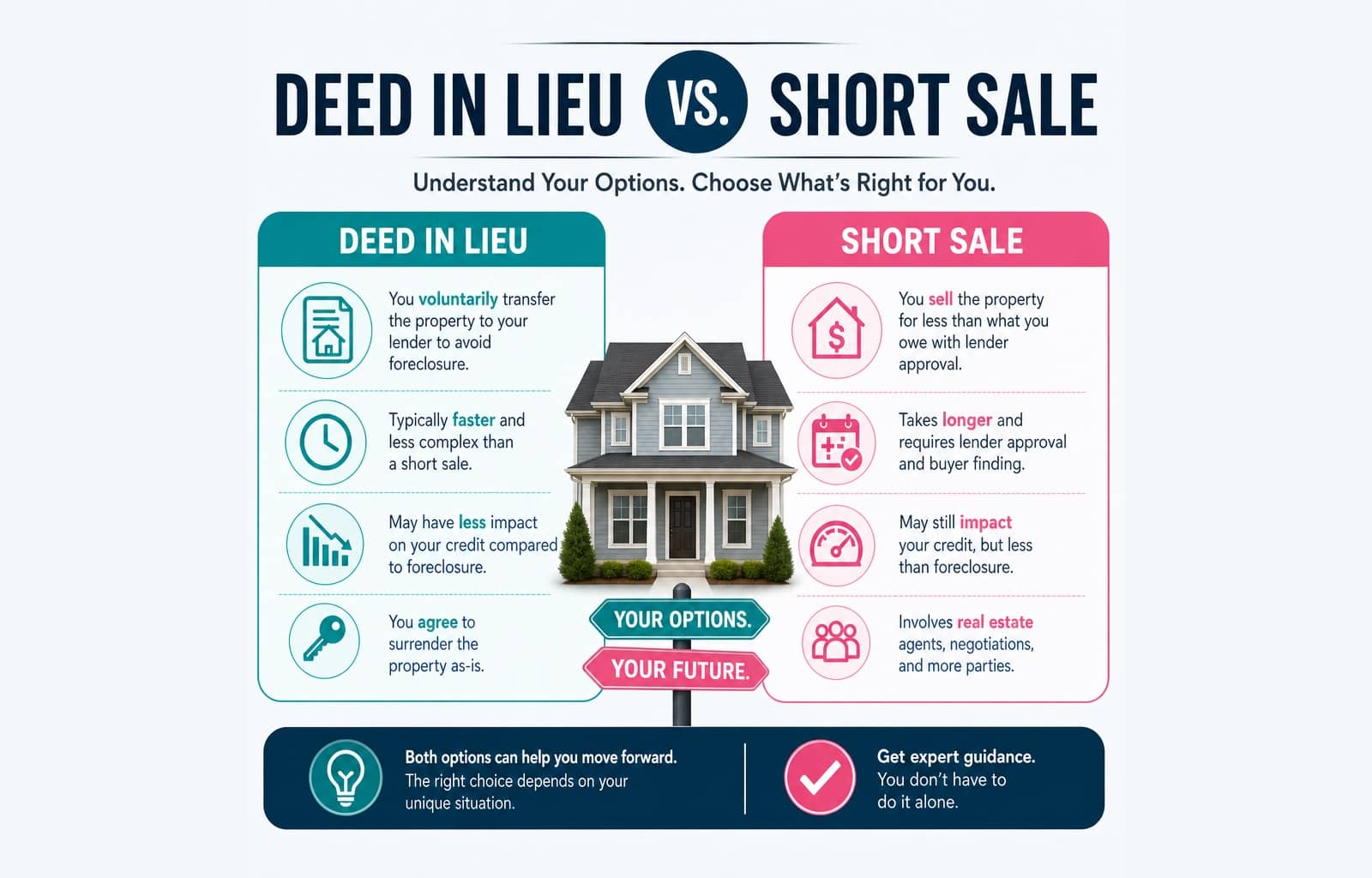
These agents focus on distressed properties, including homes headed for foreclosure or being sold for less than what is owed on the mortgage. They work with banks, lenders, and homeowners in financially difficult situations. Since these sales are more complex and time-sensitive than standard transactions, the agent must handle legal matters, liens, and tricky lender negotiations.
Many earn the Short Sales and Foreclosure Resource certification from NAR to build specialized skills. A knowledgeable SFR agent can reduce stress and increase the likelihood of a smooth closing. If you are facing a short sale, understanding the process is essential, and working with someone who handles these deals regularly makes a measurable difference.
9. Luxury Home Specialist
Luxury real estate agents focus on high-end residential properties priced well above the market average, often in affluent neighborhoods. They offer elevated marketing strategies that include professional staging, high-quality photography, and access to exclusive listing networks. Strong negotiation skills and deep knowledge of luxury buyer preferences are standard.
Many pursue the Certified Luxury Home Marketing Specialist designation or complete specialized training through the Institute for Luxury Home Marketing. Some hold the NAR Luxury Homes Certification. These agents handle the extra details that come with high-end properties, from privacy concerns to concierge-level service, giving clients a smooth and customized experience from start to closing.
10. Probate Specialist
Selling a home through probate is different from a typical sale, which is why some agents choose to specialize in this niche. Probate is the legal process of settling a deceased person’s estate, and it often involves selling a home to pay debts or distribute assets to heirs. These sales can come with court requirements, legal paperwork, and multiple family members or decision-makers.
Probate specialists complete additional training through organizations such as the Residential Real Estate Council, MTI Education, or state Realtor associations. There is no single national certification that makes someone a probate real estate specialist. Instead, agents build expertise through probate-specific coursework covering probate law, estate administration, working with executors and attorneys, and the unique challenges that come with probate transactions.
The 5 Types of Residential Real Estate Agents by Representation Role
All five of the following roles require a state-issued license and completion of mandated education and examination requirements. Where they differ is in who they represent, what duties they perform, and how they are compensated.
1. Buyer’s Agent (Exclusive Buyer Representation)
A buyer’s agent works solely for the buyer. Their fiduciary duty includes loyalty, confidentiality, and full disclosure. They handle the complete process: building a property list, arranging showings, preparing comparative price evaluations, writing offers, leading negotiations, guiding clients through inspections and disclosures, and walking them through closing. Compensation in 2026 is negotiated directly with the seller outside the MLS or charged to the client as an hourly rate or flat fee. Buyer representation agreements are now mandatory before showings.
2. Seller’s Agent (Listing Agent)
A seller’s agent represents the seller exclusively, with the primary goal of achieving the highest possible price under the best terms. Responsibilities include conducting a comparative market analysis to price the property accurately, marketing the home, arranging photography and videography, hosting open houses, negotiating offers, and managing the transaction through closing. The commission is a percentage of the sale price, negotiated between the seller and the listing agent and documented in the listing agreement. The seller’s agent’s brokerage may share a portion of that commission with the buyer’s agent’s brokerage, though those terms are now negotiated separately from the MLS.
3. Dual Agent
A dual agent represents both parties in the same transaction. Their fiduciary duties are limited: they cannot advocate for either side’s pricing position and cannot share confidential information. Dual agency is prohibited in eight states as of 2026. Where it is legal, the agent facilitates communication, acts as a neutral mediator, provides market data without advising on strategy, and coordinates the closing process. Clients may negotiate a lower commission due to the agent’s restricted role.
4. Designated Agent (Alternative to Dual Agency)
When a single brokerage represents both the buyer and the seller, the broker can appoint a designated agent for each side. Each designated agent owes full fiduciary duty to their assigned client. This arrangement avoids the conflict-of-interest limitations that come with dual agency while allowing the same brokerage to handle both sides of a deal. In especially complex transactions, two separate designated agents may be assigned, one for each party.
5. Transaction Agent (Facilitator)
A transaction agent is a neutral third party who handles paperwork and logistics without representing either the buyer or the seller. They owe no fiduciary duty to either side. This role is common in states where dual agency is restricted or prohibited. The transaction agent facilitates the deal without advising on price or strategy, making sure all documentation is completed correctly and legal requirements are met.

How to Choose the Right Type of Real Estate Agent for Your Situation
Match the agent type to your specific needs. If you are selling, a listing agent with a strong marketing plan is the obvious choice. If you are buying, you need a dedicated buyer’s agent who will protect your interests through all 87 hours of the transaction. Military families facing a PCS should seek out an MRP who understands VA financing and tight deadlines. Seniors downsizing after decades in the same home will benefit from an SRES who can counsel through the emotional and financial complexities. Luxury sellers need a specialist with access to exclusive networks and high-end marketing resources.
Verify credentials before signing any agreement. Check NAR membership for Realtor status, confirm specialized certifications, and look up the agent’s state license. Ask about compensation structure upfront. This is especially important after the 2024 NAR settlement changes, which fundamentally altered how buyer’s agents are paid. If your situation is complex, such as a probate sale involving a high-value property, consider interviewing multiple agent types. Look for local market expertise and a documented track record in your specific niche.